When the Storm Hits, Your Meals Should Already Be Ready. Here Is How GA Foods Makes That Happen.
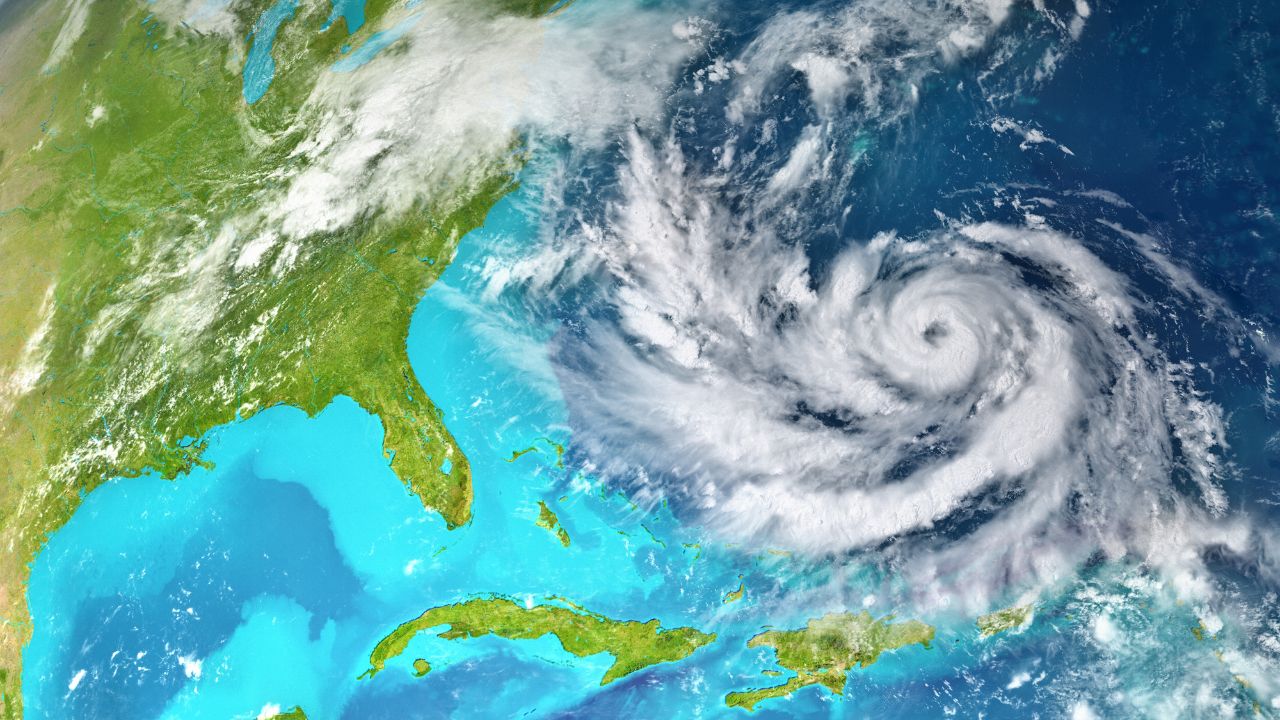
“In Florida, emergency preparedness is not
optional. For seniors, it can be life-saving.”
Florida seniors know the drill. June through November, hurricane season brings real risk. Power outages last for days. Roads flood and close. Grocery stores run out of supplies before a storm even makes landfall. For older adults who depend on daily meal delivery for their nutrition, a hurricane is not just an inconvenience. It can be a genuine health emergency.
That is why OAA-funded nutrition programs are required by law to have written emergency plans in place before a crisis ever happens. And it is why GA Foods offers shelf-stable emergency meal kits specifically designed to keep seniors nourished when normal delivery is not possible.
Florida Hurricane Season runs June 1 through November 30.
Every senior enrolled in an OAA meal program should have an emergency meal plan in place before the season begins. GA Foods makes this easy.
What the OAA actually requires for emergencies
Under OAA Title IIIC, every nutrition program is required to develop and maintain written plans for continuing services during weather-related and other emergencies. This includes plans for food procurement, congregate meal site closures, and home-delivered meal continuity. These plans must be in place before an emergency occurs, not developed in response to one.
Congregate meal sites may not close for more than four consecutive meal service days without specific authorization. For seniors who rely on home-delivered meals, emergency provisions must be made to ensure they continue receiving nutrition even when regular routes cannot operate.
This means that when you enroll in a GA Foods OAA meal program, emergency preparedness is already built into the plan. You are not starting from scratch when a storm warning is issued.
GA Foods shelf-stable emergency meal kits
GA Foods goes beyond the minimum requirement. Our shelf-stable emergency meal kits are designed specifically for older adults and can be distributed to clients in advance of an emergency so they are ready before the storm hits.
10 or more meal options per kit: Each kit includes a variety of non-perishable meal options so seniors are not eating the same thing repeatedly during a multi-day outage. Variety matters for both nutrition and morale.
Up to one year shelf life when stored properly: Kits can be kept from one hurricane season to the next if conditions are right, helping programs manage costs while ensuring seniors always have a backup supply on hand.
Meets OAA nutritional standards: Every kit is approved by the AAA or the nutrition program qualified dietitian and must meet the same nutrient requirements as regular OAA meals. Emergency food is still nutritious food.
Easy open, senior-friendly packaging: Cans use pull-tab easy-open lids wherever possible. All individual food packages are clearly labeled with expiration dates. Fruit and vegetable juices are 100 percent pure. Preparation instructions are included in large print where applicable.
Top-grade, non-perishable foods only: Only intact, top-quality non-perishable items are included. No damaged packaging, no items past their expiration date, and no compromises on food safety even in an emergency setting.
Emergency meal kits can also be distributed ahead of holiday closures when a congregate meal site will be closed for an extended period. Providers must have written procedures in place to address planned holiday closings and ensure no senior goes without a meal during site closures.
Your Florida hurricane season preparedness checklist
Beyond your GA Foods emergency meal kit, here is a practical checklist every Florida senior and caregiver should work through before June 1 each year. Tap each item to check it off as you go.
Senior Hurricane Preparedness Checklist
- Confirm your GA Foods emergency meal kit is in place and has not passed its expiration date
- Store at least three days of water, one gallon per person per day
- Keep a seven-day supply of all prescription medications in a waterproof container
- Have a battery-powered or hand-crank radio to receive emergency alerts without power
- Charge all phones and portable battery packs before a storm warning
- Know your evacuation zone and have a plan for where you will go if you need to leave
- Make sure a neighbor, family member, or caregiver knows your address and will check on you
- Notify your GA Foods program coordinator of any planned evacuation so delivery can be adjusted
- Keep important documents including insurance cards and Medicare information in a waterproof bag
- If you use medical equipment that requires power, register with your local utility company as a medical priority customer
If a storm is approaching and you are concerned about your meal delivery, call GA Foods at 1-888-311-8003 as early as possible. Our team coordinates closely with Area Agencies on Aging and local emergency management to make sure seniors on active meal routes are accounted for before, during, and after a storm.
What happens after a storm passes
Once a storm has passed, the priority is getting regular meal delivery resumed as quickly as possible. GA Foods coordinates with AAAs and local emergency management to assess road conditions, confirm client safety, and restore routes. Any meals provided through emergency channels during the disruption are reported separately through the proper OAA reporting systems to ensure accurate records and reimbursement.
If you received emergency meals during a storm period and are unsure whether your regular delivery schedule has resumed, call your program coordinator or GA Foods directly. Do not assume delivery has restarted until you have confirmation.
Is your emergency meal plan in place before storm season?
Talk to GA Foods about emergency meal kit availability in your area and make sure your loved one is covered before the next storm warning is issued. Contact Us