Whole Grains
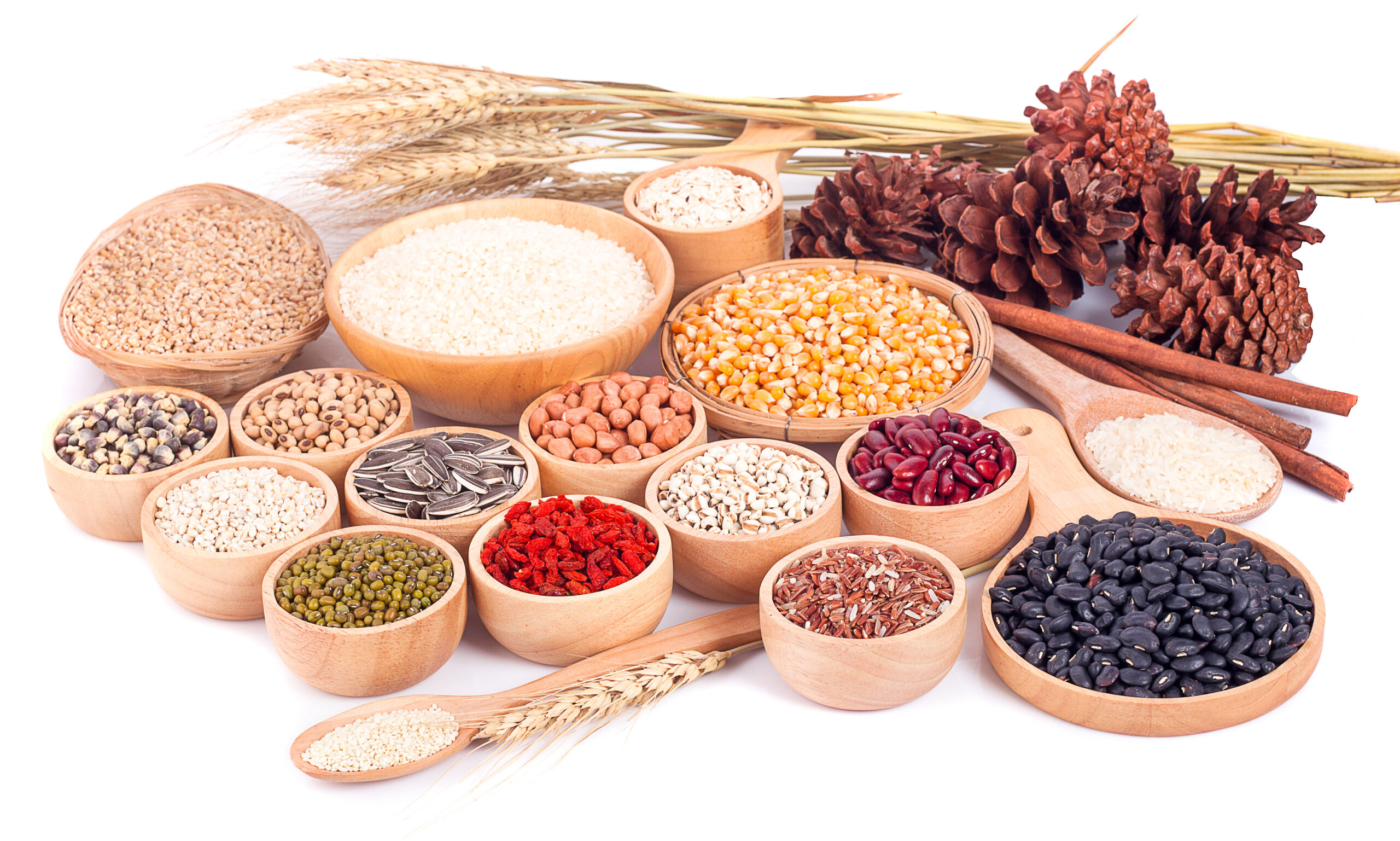
Whole grains are an essential part of a healthy diet, offering numerous benefits for our bodies. Unlike refined grains, whole grains contain all parts of the grain kernel: the bran, germ, and endosperm. This means they pack a powerful nutritional punch, providing more vitamins, minerals, and fiber than their refined counterparts.
Nutritional Benefits
Whole grains are rich in several important nutrients:
– Fiber: Helps with digestion and keeps you feeling full longer
– B vitamins: Support energy production and brain function
– Iron: Essential for carrying oxygen in the blood
– Magnesium: Important for bone health and muscle function
– Selenium: Acts as an antioxidant, protecting cells from damage
Eating whole grains regularly has been linked to lower risks of heart disease, type 2 diabetes, and certain cancers. They can also help maintain a healthy weight and promote good digestive health.
Types of Whole Grains
There are many delicious whole grains to choose from:
1. Oats: A breakfast favorite, high in fiber and protein
2. Quinoa: A complete protein source, containing all essential amino acids
3. Brown rice: A versatile grain that’s naturally gluten-free
4. Barley: Chewy and nutty, great in soups and salads
5. Buckwheat: Despite its name, it’s not related to wheat and is gluten-free
6. Millet: A small, round grain that’s popular in many parts of the world
7. Whole wheat: Used in bread, pasta, and many other products
Incorporating Whole Grains
Adding whole grains to your diet is easy. Try swapping white bread for whole wheat, or using brown rice instead of white. Experiment with different grains in salads, soups, or as side dishes. You can even use whole grain flours in baking for added nutritional value.
Remember, when shopping for whole grain products, look for “whole grain” as the first ingredient on the label. This ensures you’re getting the full nutritional benefits of these powerhouse foods
By making whole grains a regular part of your meals, you’re taking a simple yet effective step towards better health and nutrition.

Alexandria is the Senior Product Manager at GA Foods. She is a Registered Dietitian and has worked in clinical rehabilitation facilities and the post-discharge food industry. Her experience gives Alexandria unique insights into social disparities and how health is affected. She and her growing family live in Tennessee, enjoying the mountain air, gardening, and tending their chickens.