Protein & Aging
Protein is a nutrient your body needs every day to stay strong and healthy. It builds and repairs muscles, skin, hair, and bones. Protein also helps your body heal from injuries and fight illnesses. As we get older, our bodies don’t use protein as well as before, so we need more protein to stay healthy and active.
How Protein Helps Bones and Muscles
- Protein makes up about half of bone’s structure, so it’s key for keeping bones strong as we age.
- Eating enough protein can help maintain muscle strength, which lowers the chance of falling and breaking bones.
- Protein works with calcium to improve bone density and slow bone loss, which helps prevent osteoporosis (thinning bones).
What Happens as We Age?
- As we age, our muscle mass naturally decreases. Losing muscle can make everyday activities like climbing stairs or carrying groceries harder. Getting enough protein can help slow this muscle loss and keep you moving comfortably.
Protein and Wound Healing
Protein is important for wound healing. When you have a cut, sore, or surgery, your body needs extra protein to help wounds close and heal faster. Not getting enough protein can slow down healing and increase the risk of infection.
Good Sources of Protein
Try to include protein in every meal. Here are some protein-rich foods to add to your diet:
- Meat, poultry, and fish
- Eggs and dairy products such as milk, cheese, and yogurt
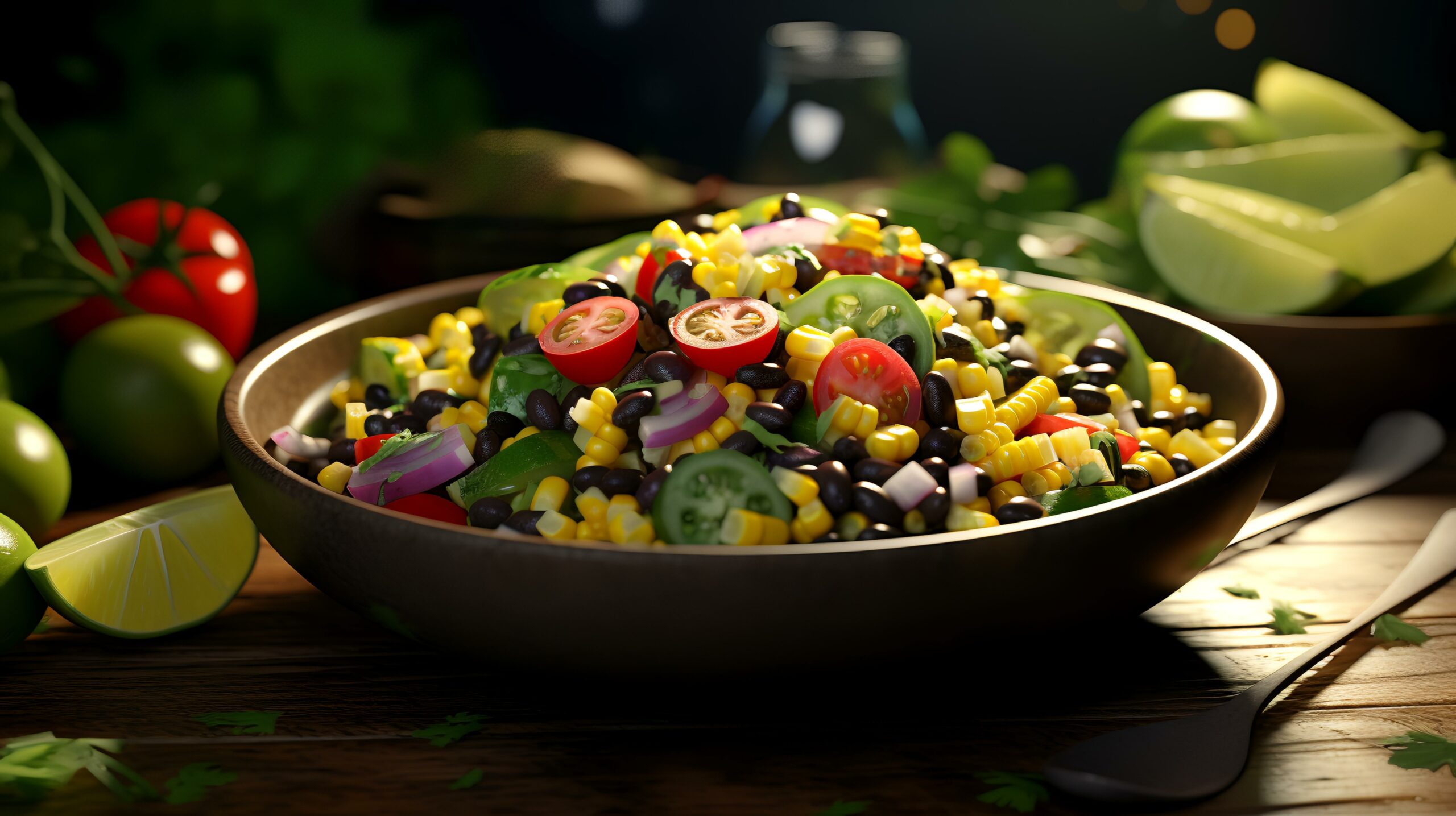
- Beans, lentils, and peas
- Nuts and seeds
- Tofu and other soy products
Tips for Getting Enough Protein
- Spread out your protein intake throughout the day by including a protein-rich food at meals and snacks
- Consider easy additions like a boiled egg or Greek yogurt at breakfast, nuts or cheese as snacks, or adding beans and lentils to salads or soups
- If appetite is low or chewing is difficult, try softer protein foods such as yogurt, cottage cheese, smoothies with protein powder, or scrambled eggs

Alexandria is the Senior Product Manager at GA Foods. She is a Registered Dietitian and has worked in clinical rehabilitation facilities and the post-discharge food industry. Her experience gives Alexandria unique insights into social disparities and how health is affected. She and her growing family live in Tennessee, enjoying the mountain air, gardening, and tending their chickens.