Staying Hydrated: A Must for Seniors
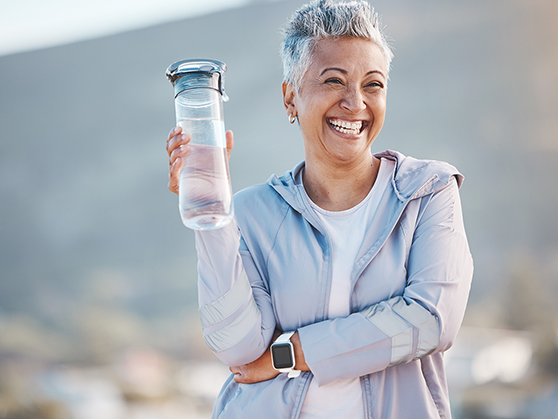
As we get older, drinking enough water becomes even more important. Many seniors don’t feel thirsty as often, which can lead to dehydration. Dehydration happens when your body loses more fluids than it takes in. This can cause serious health problems for older adults.
Why Hydration Matters
Water is crucial for our bodies to work properly. It helps:
- Keep your body temperature normal
- Get rid of waste through urine and sweat
- Protect your joints and organs
- Improve digestion
When seniors don’t drink enough, they might feel tired, dizzy, or confused. They could also get urinary tract infections or fall more easily.
How Much to Drink
Most adults should aim for 6 to 8 glasses of fluid a day. This doesn’t have to be just water. Other drinks and even some foods count too. However, it’s best to talk to your doctor about how much you should drink, especially if you have certain health conditions.
Tips for Staying Hydrated
Here are some easy ways for seniors to get more fluids:
- Keep water close by. Always have a water bottle or glass within reach.
- Make water tasty. Add a slice of lemon or cucumber to your water for flavor.
- Eat hydrating foods. Fruits like watermelon and vegetables like cucumbers have lots of water.
- Drink a full glass with medications. This is an easy way to remember to drink more.
- Choose the right drinks. While water is best, milk, juice, and decaf tea can help too. Avoid too much alcohol or caffeine, which can dehydrate your body.
- Set reminders. Use alarms or notes to remind yourself to drink regularly.
- Take sips between bites during meals. This can help you drink more without feeling too full.
Remember, staying hydrated is a simple but important way for seniors to stay healthy. If you’re worried about dehydration, talk to your doctor. They can help you create a plan to make sure you’re getting enough fluids every day.

Alexandria is the Senior Product Manager at GA Foods. She is a Registered Dietitian and has worked in clinical rehabilitation facilities and the post-discharge food industry. Her experience gives Alexandria unique insights into social disparities and how health is affected. She and her growing family live in Tennessee, enjoying the mountain air, gardening, and tending their chickens.